Lampung Timur, 23 Agustus 2024 – Widya Erti Indonesia (WEI) berkomitmen terhadap kesejahteraan dan keberlanjutan usaha petani gula kelapa dengan mengadakan Focus Group Discussion (FGD di Lampung Timur. FGD dilakukan di 4 kecamatan di Lampung Timur pada tanggal 19-23 Agustus 2024. Untuk memperkuat dampak dan efektivitas programnya, FGD fokus pada menggali tantangan, solusi, potensi, dan harapan terhadap produksi gula kelapa. Widya Erti Indonesia (WEI) melalui Monitoring, Evaluation, and Learning (MEL) Officer-nya, Melinda Lastri, berinteraksi langsung dengan penerima manfaat program, mendengarkan cerita mereka, memahami tantangan yang mereka hadapi, dan mengumpulkan masukan untuk memandu perbaikan program di masa depan.

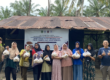
Melinda Lastri, Monitoring, Evaluation, and Learning (MEL) Officer Widya Erti Indonesia sedang memimpin FGD bersama petani wanita di rumah warga, Lampung Timur.
Sejak 2021, WEI bekerja sama dengan PT Unilever Tbk. (Unilever) untuk memberikan pelatihan komprehensif tentang Praktik Pertanian Terbaik (Good Agricultural Practices/GAP) kepada para petani gula kelapa di Sukabumi dan Lampung Timur. Program Coconut Sugar (CoSu) II merupakan kelanjutan dari kolaborasi sukses antara WEI dan Unilever yang dimulai di Pangandaran (2021-2023). Dengan fokus pada praktik pertanian yang berkelanjutan, program ini bertujuan untuk meningkatkan kualitas dan kuantitas produksi gula kelapa yang ramah lingkungan dan mendorong perubahan jangka panjang.
Memberdayakan Petani di Lampung Timur: Refleksi dari Lapangan
Focus Group Discussion melibatkan petani, penderes, petani wanita, dan fasilitator lokal. Masing-masing saling mengungkapkan refleksi yang dihadapi di lapangan. Ada 4 tantangan besar yang muncul: 1) Peningkatan pendapatan alternatif; 2) Pengendalian hama kumbang tanduk; 3) Akses irigasi; 4) Stabilitas harga komoditas kelapa.
-
Peran Penting Perempuan dalam Peningkatan Pendapatan Alternatif
Perempuan memainkan peran penting dalam produksi gula kelapa. Mereka yang sebagian besar berstatus sebagai istri petani ini tidak hanya terlibat dalam penyadapan dan pemasakan nira, tetapi juga dalam aktivitas pengelolaan kebun seperti pemupukan. Disisi lain mereka menyampaikan kekhawatiran berdasarkan pengalaman sebelumnya. Meskipun mereka antusias untuk mengikuti pelatihan pengolahan gula kelapa, sesi pelatihan yang pernah mereka ikuti belum meliputi dukungan akses pasar, sehingga produk olahan mereka tidak terjual. Hal ini menunjukkan perlunya pendekatan yang lebih terintegrasi, yang menggabungkan pelatihan keterampilan dengan pengembangan pasar untuk meningkatkan kepercayaan diri mereka. Penting untuk memastikan keberlanjutan mata pencaharian mereka agar dapat meningkatan pendapatan dan kesejahteraan. Peluang pengembangan produk dan pasar baru menjadi potensi pengembangan program pemberdayaan ke depan.
-
Pengendalian Hama Terpadu untuk Mengendalikan Kumbang Tanduk (Oryctes Rhinoceros)

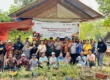
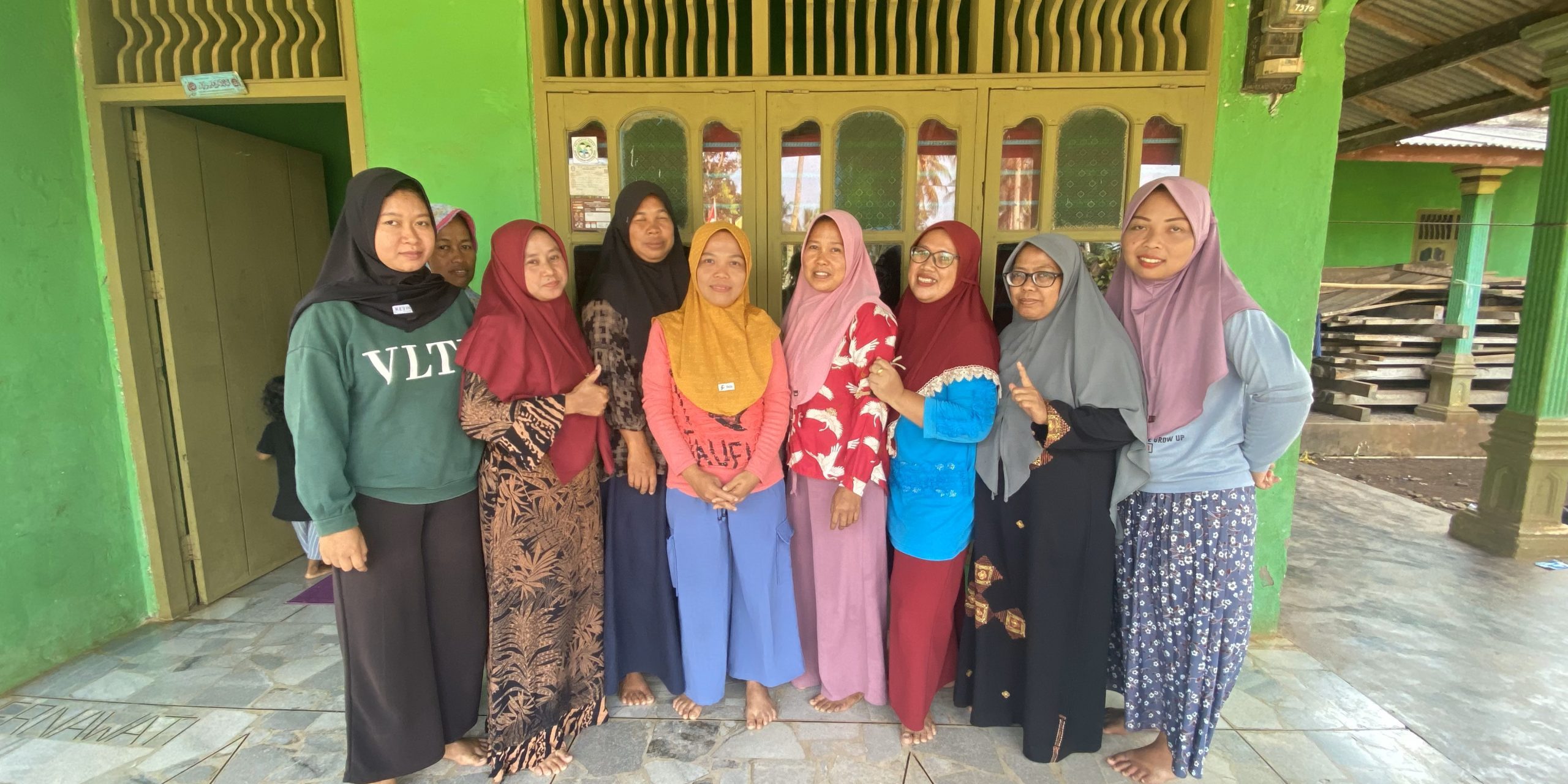
Petani kelapa nira Lampung Timur setelah melakukan FGD bersama Tim WEI di Rumah salah satu warga
Hama kumbang tanduk atau Oryctes Rhinoceros telah mengganggu produktifitas petani secara terus menerus. Beberapa upaya pengendalian hama telah dilakukan, dan kini petani didorong untuk menerapkan pendekatan terpadu yang menggabungkan pengendalian biologis dan kimia yang lebih ramah lingkungan. Petani tak patah semangat untuk terus berproses. Dengan inovasi yang terus berkembang, harapan untuk pengendalian hama yang lebih efektif dan berkelanjutan semakin kuat, membuka peluang besar bagi peningkatan produktivitas pertanian di masa mendatang.
-
Akses Irigasi untuk Mendukung Pertumbuhan Tanaman
Perubahan iklim menjadi tantangan besar yang harus dihadapi oleh para petani. Akses air yang terbatas memaksa masyarakat untuk sangat bergantung pada air hujan, yang tidak berkelanjutan selama musim kemarau. Melalui diskusi ini, Petani di Lampung Timur mengeluhkan sulitnya menghadapi permasalahan ini. Mereka berharap salah satu solusi yang bisa ditempuh ialah peningkatan infrastruktur pengairan di daerah tersebut. Dengan begitu, kesulitan atas akses irigasi dapat teratasi.
Para petani juga telah menunjukkan ketangguhan dengan melakukan diversifikasi tanaman. Banyak dari mereka mulai menanam tanaman sela seperti kakao, singkong, pisang, dan pepaya. Diversifikasi ini tidak hanya menyediakan sumber pendapatan tambahan ketika harga gula kelapa rendah tetapi juga membantu dalam pemanfaatan lahan secara optimal.
-
Dukungan Terhadap Keberlanjutan Petani dalam Rantai Pasok Ekonomi
Peserta FGD menyampaikan keinginan yang jelas agar harga gula kelapa dapat stabil dan kompetitif dengan harga komoditas pokok seperti beras. Mereka berharap dukungan berkelanjutan dalam pengendalian hama untuk melindungi tanaman dan mata pencaharian mereka dapat terlaksana. Hal ini diiringi dengan keinginan besar untuk penguatan jaringan pemasaran agar produk mereka dapat dijual dengan harga yang menguntungkan. Sehingga dampak nyata di kehidupan mereka dapat tercipta.
FGD yang dilakukan merupakan buah refleksi dan harapan dari produk gula kelapa. Melalui penyelarasan pelatihan dengan realitas pasar dan dukungan yang konsisten, potensi petani dapat optimal. Dengan begitu, tujuan WEI dan Unilever untuk menciptakan komunitas petani kelapa di Lapung Timur yang tangguh dan berdaya dapat terwujud.