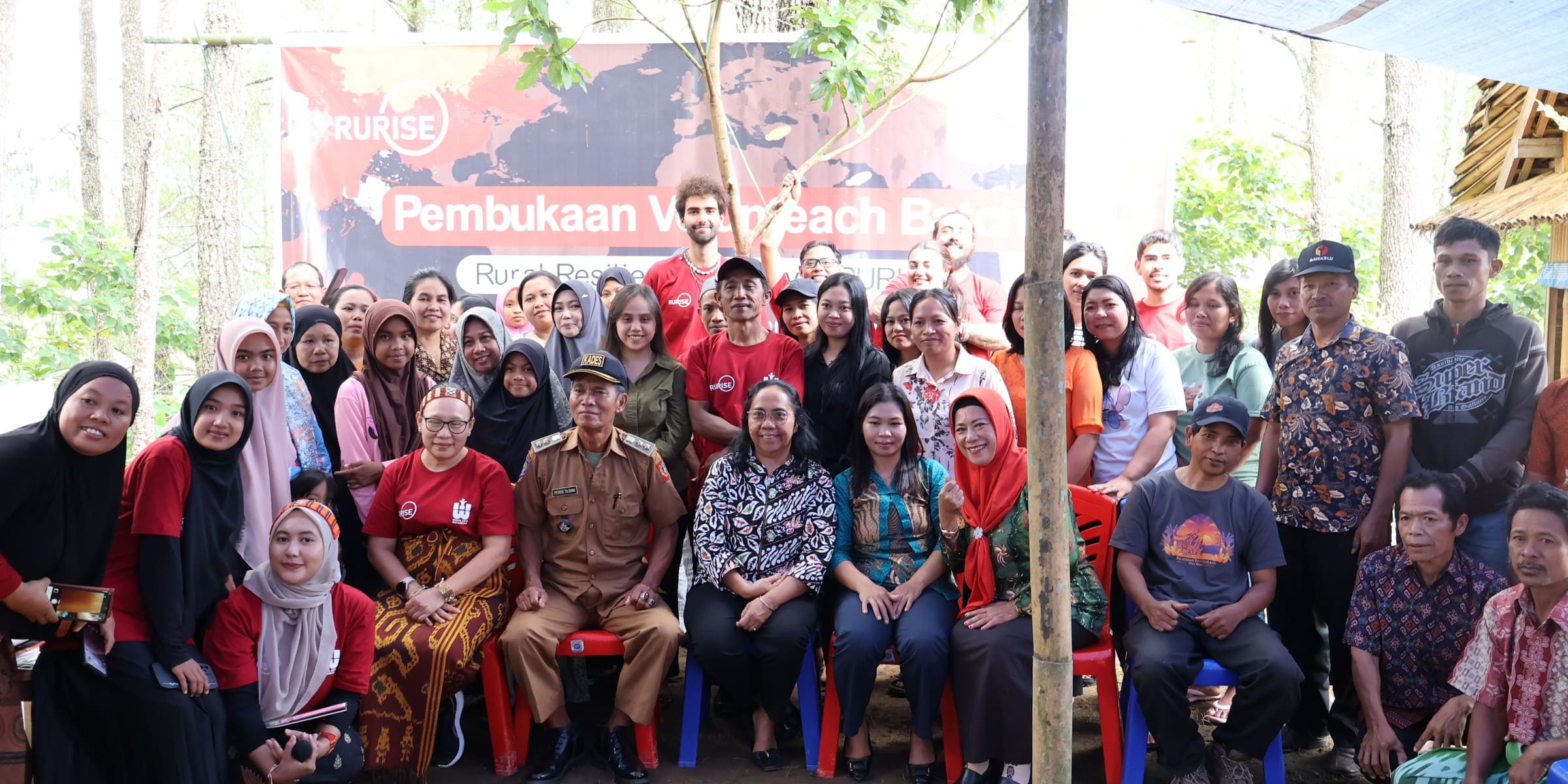
27 Juni 2024, Tana Toraja – Widya Erti Indonesia (WEI) memulai inisiatif pemberdayaan Desa secara berkelanjutan di Kabupaten Tana Toraja, Sulawesi Selatan, dengan menjalin komitmen bersama untuk keberlanjutan masyarakat desa. Dalam acara pembukaan program Rural Resilience Initiative (RURISE) yang diadakan di Desa Maroson, Kabupaten Tana Toraja, Widya Erti Indonesia mengajak berbagai pihak untuk berkolaborasi, menjejakan langkah bersama dalam upaya pemberdayaan masyarakat desa. Program RURISE dirancang untuk mengembangkan potensi warga melalui serangkaian kegiatan yang berfokus pada pendidikan, pengembangan produk lokal, dan peningkatan kesadaran lingkungan yang berkelanjutan.
Salah satu kegiatan utama dari program ini adalah Natsir Eco School (NES). NES merupakan sekolah alternatif bahasa Inggris gratis kepada lebih dari 200 anak yang berasal dari 5 dusun di Desa Maroson, Tana Toraja. Widya Erti Indonesia bekerja sama dengan Natsir Eco School untuk mengembangkan peningkatan kapasitas berbahasa inggris bagi generasi mendatang di Tana Toraja.
“Lembang Maroson (sebutan lokal Desa Maroson) menyambut baik kegiatan dari program RURISE ini. Kami melihat banyak anak di Lembang Maroson yang perlu dibekali pengetahuan berbahasa inggris. Memang dampaknya tidak instan, kelak di masa mendatang, harapannya bekal anak-anak di sini dapat digunakan untuk meraih cita-cita mereka setinggi mungkin.” kata Pak Lembang Maroson selaku Kepala Desa.

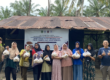
Penandatanganan Memourandum of Understanding antara Widya Erti Indonesia dengan Lembang Maroson yang disaksikan oleh Camat Rembon dan Penggerak Natsir Eco School
Selama ini, Natsir Eco School (NES) telah menjalankan kelas belajar bahasa Inggris yang melibatkan volunteer dari luar negeri di satu dusun (Randanan). Melalui RURISE, program ini membuka kelas di 4 dusun lain (Palakka, Lameme’, Rarung, Pasang Lambe’) agar dapat menjangkau lebih banyak anak-anak di Lembang Maroson, Kabupaten Tana Toraja. Tenaga pengajar di 4 kelas NES ini akan menggunakan pendekatan Volunteach, sebuah pendekatan yang menggabungkan volunterisme, edukasi, dan pariwisata, atau yang lebih dikenal sebagai voluntourism. Para relawan pengajar atau yang dinamakan Volunteacher ini berasal dari dari dalam negeri dan mancanegara, yang semuanya akan berkontribusi untuk mengajar bahasa Inggris dan menginap di homestay-homestay yang akan dikembangkan di desa.
“Mengusung tema ‘Menuju Global dengan Kekuatan Lokal’, Kami percaya bahwa semangat pembangunan masyarakat lokal diharapkan dapat memberi dampak positif bagi masyarakat di Lembang Maroson. Dengan adanya pendidikan, pengembangan produk lokal, dan kesadaran lingkungan, Kami yakin masyarakat akan semakin berdaya, mandiri dan mampu menginspirasi inisiatif berkelanjutan ini kepada dunia global” ujar Ketua Yayasan WEI, Rieni Handayani.

Local Product from Lembang Maroson
RURISE juga berfokus pada pengembangan produk lokal berbasis komunitas untuk meningkatkan pendapatan warga, salah satunya lewat produk olahan coklat. Piong Cokla’ diharapkan mampu menjadi sumber penghasilan alternatif bagi warga di Lembang Maroson, serta menjadi sumber pendanaan operasional kelas bahasa Inggris agar bisa berkelanjutan. Dengan demikian, anak-anak yang terlibat dapat merasakan manfaat pendidikan yang optimal.
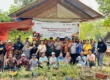
Tamu undangan yang hadir mengutarakan kebahagiaannya dengan keberadaan upaya kolaboratif ini. Program Rural Resilience Initiative (RURISE) mendapat sambutan positif dari berbagai pihak seperti Dinas Pemberdayaan Masyarakat dan Lembang Pemerintah Kabupaten Tana Toraja; Konsulat Jenderal Australia Kantor Makassar; Camat Rembon; dan Kepala Lembang Maroson. Selain itu, warga lokal yang hadir sangat antusias dengan pelibatan aktif mereka ke depan.

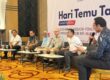
Andi Palloan, Sekretaris Dinas Pemberdayaan Masyarakat dan Lembang Pemerintah Kabupaten Tana Toraja
“Kami dari Pemerintah Daerah Kabupaten Tana Toraja sangat mendukung program ini dan berharap dapat terus berkembang dan memberikan manfaat jangka panjang bagi masyarakat di Kabupaten Tana Toraja” ungkap Sekretaris Dinas Pemberdayaan Masyarakat dan Lembang, Andi Palloan.
Kedepannya, program ini terbuka untuk keterlibatan berbagai pihak: pemerintah, perusahaan, NGO, masyarakat, dan lain-lain. Sehingga cita-cita Desa mandiri dan berdaya saing dapat terwujud guna kesejahteraan masyarakat desa.